Pick by obstacle pattern
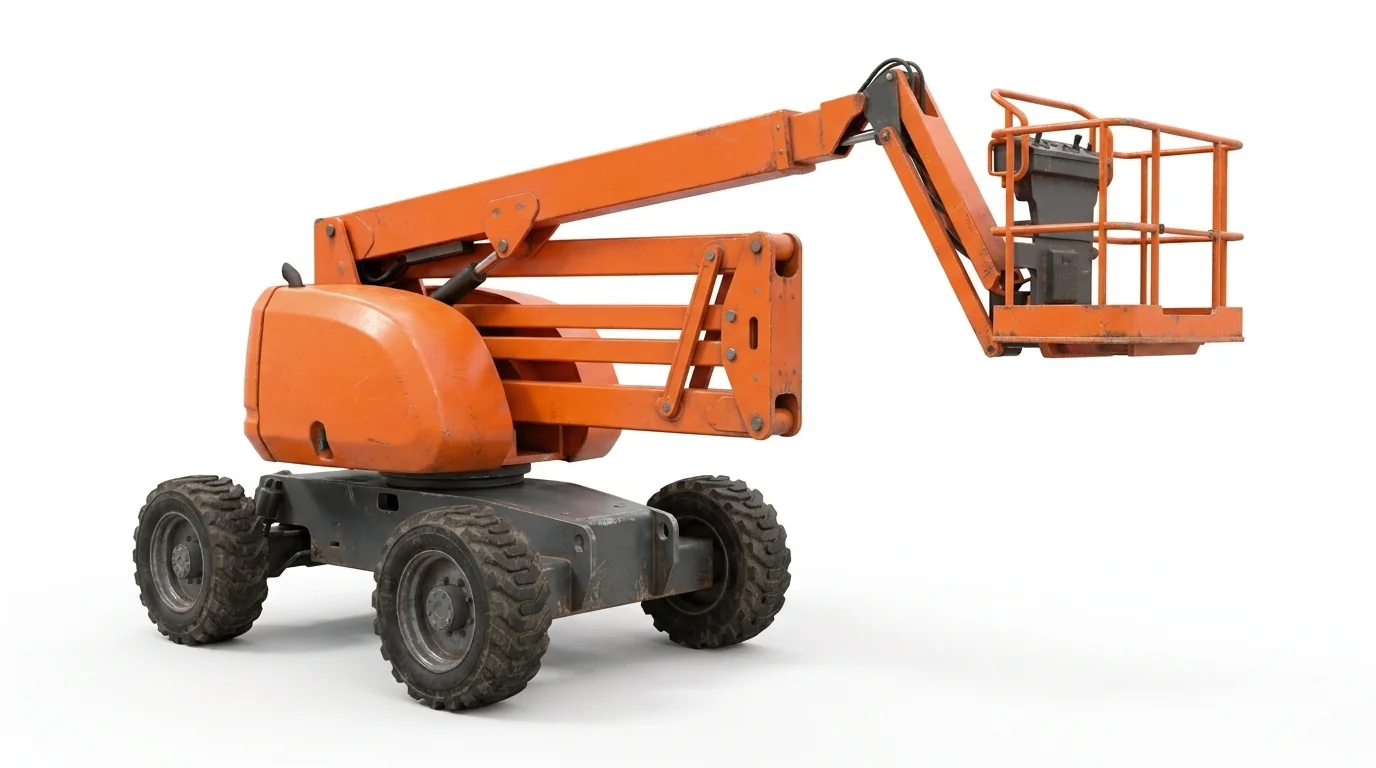
- Articulating booms: Jointed booms navigate up‑and‑over routes around canopies, pipe racks, or architectural offsets common in commercial corridors.
- Telescopic booms: Straight booms cover longer horizontal distances where the approach area is open, such as wide yards or large setbacks.
Fresno conditions that matter
- Ground consistency: Flat terrain can mask soft sections from recent grading or irrigation; tire type and machine weight affect performance.
- Visibility: Winter Tule fog may limit outdoor elevation under site procedures; lighting needs and staging distances factor into planning.
- Heat and duty cycle: Extended sun exposure affects operator comfort and equipment duty assumptions; plan rest and charging/service windows per model guidance.
Sizing for reach and clearance
- Horizontal reach: Measure setback from the safe setup point to the work face, then add margin for parapets or overhangs.
- Vertical clearance: Note rooflines, signage, and tree canopies along the boom path.
- Transport and access: Gate widths, curb cuts, and dock transitions control which chassis can enter the site.
When a scissor lift is better
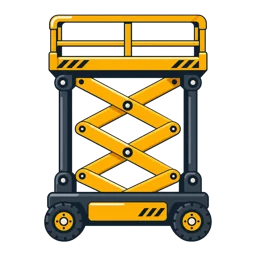
If the work is directly overhead and space is limited, a scissor may deliver more platform area with a smaller footprint. Compare options at /aerial-lift-rental/ and /electric-scissor-lift-rental/.
Related links
- All aerial options: /aerial-lift-rental/
- Scissor categories: /electric-scissor-lift-rental/ and /rough-terrain-scissor-lift-rental/