Start with access frequency and turning space
- Will forklifts, pallet jacks, or hand-pick crews access daily, or is it long-term staging?
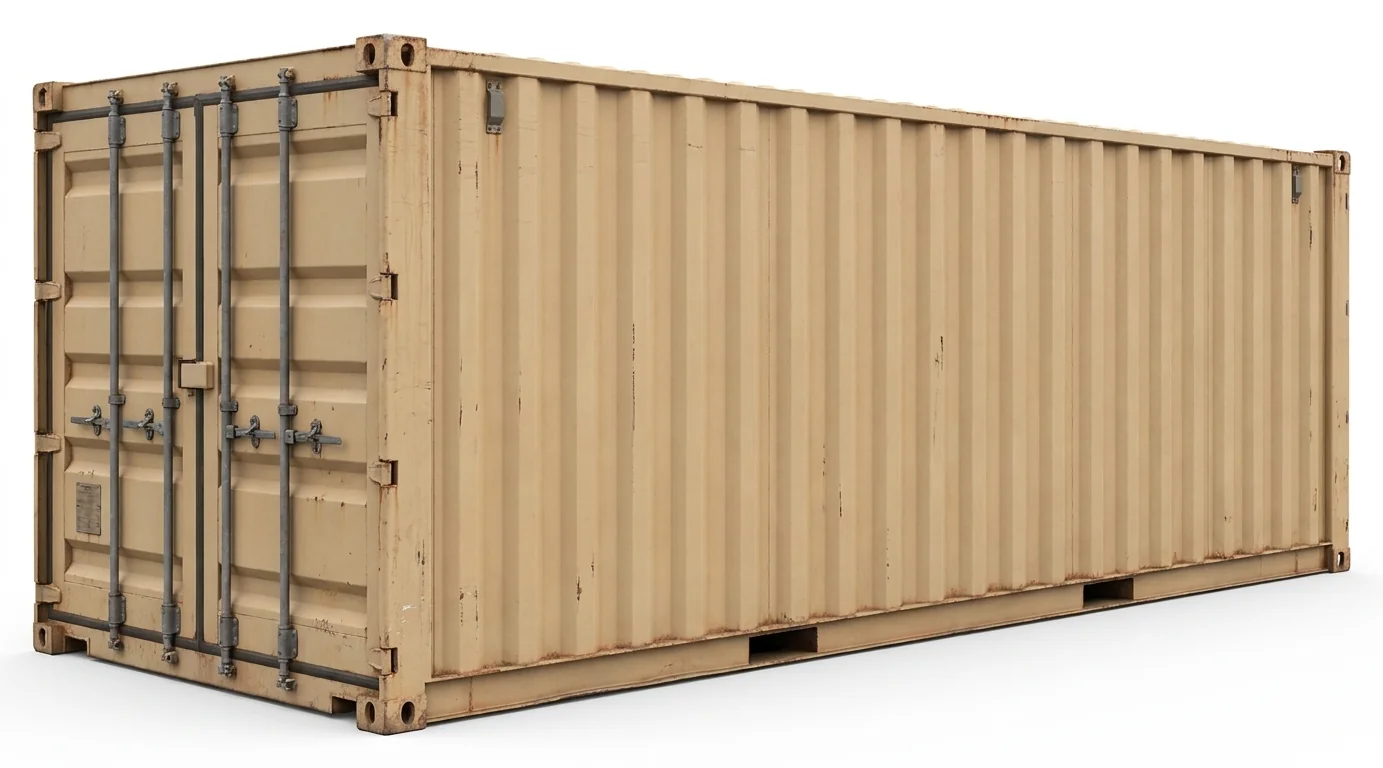
- Can the container sit perpendicular to the dock, or does traffic require a parallel placement with side-clearances?
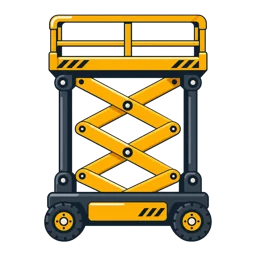
- Is there room for doors to swing fully without blocking scissor-lift or boom-lift routes used for maintenance or signage work?
Surface and ground support
The Central Valley is generally flat, but some lots develop soft or alkaline patches after irrigation or winter moisture. Containers concentrate weight at corner castings. If the surface transitions from asphalt to compacted base near fields, plan for level support so doors track properly and water sheds away from thresholds.
Heat, ventilation, and contents
Summer heat in Fresno can raise interior temperatures. Sensitive goods may need shaded placement or spacing from south-facing walls to reduce heat load. High-turn warehouse aisles favor spots with quick shade access and minimal sun exposure during peak hours.
Site circulation around logistics hubs
At local distribution buildings, containers often sit near high-speed forklift lanes. Map turning radii and blind corners before final placement. If elevated work is scheduled nearby, coordinate clearances with electric scissor lifts or vertical mast lifts, and keep container rows from narrowing emergency routes.
Agricultural processing patterns
Seasonal peaks create bursts of inbound and outbound pallets. Longer units maximize capacity, but only if the yard can accommodate tractor access and back-in angles without crossing uneven soils. In fog season, align container corridors to preserve sightlines for pickups and yard tractors.
Security and lighting interfaces
Containers near temporary lighting should avoid glare on lock hardware and preserve camera views. If night operations are planned, coordinate with generators and light towers to keep doors and approaches evenly lit.
For wider planning across site gear and lifts, visit the products overview.