Define the work zone and approach
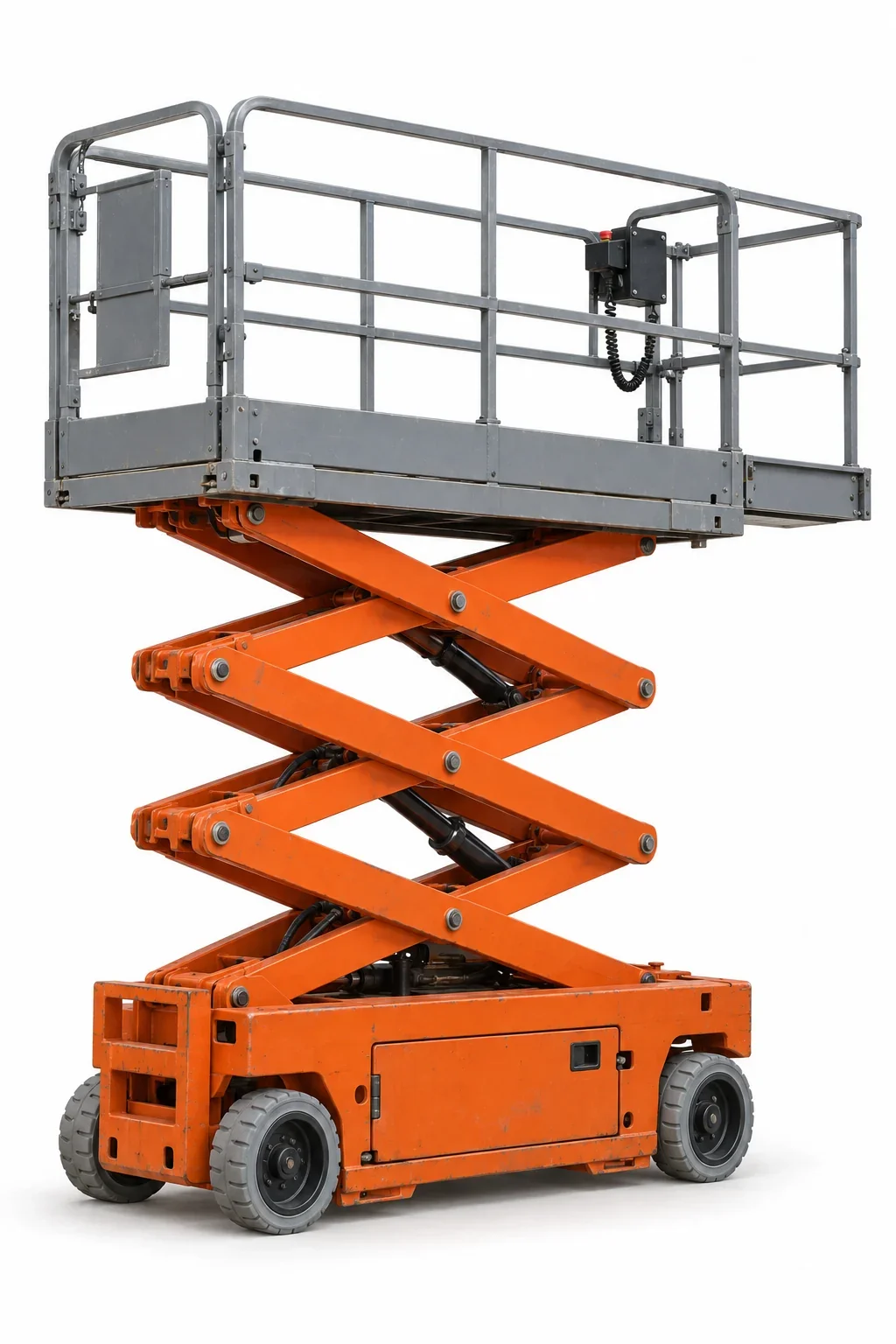
Rough‑terrain scissors suit tasks directly overhead where outreach isn’t required. Confirm if the unit can sit below the work without obstacles like canopies, conveyors, or fencing. Map the approach path for curbs, soft backfill, and temporary ramps that may influence ground pressure and wheelbase.
Fresno ground and weather considerations
- Soil variability: Alkaline soils and seasonal moisture can soften top layers. Wider tires and machine weight affect flotation and rutting.
- Winter Tule fog: Reduced visibility may pause elevated outdoor work under site rules; lighting and staging locations factor into planning.
- Heat and dust: Prolonged heat and airborne dust around agricultural processing can affect filters and duty cycles; plan service intervals per manufacturer guidance.
Sizing the platform
- Platform height vs. structure: Confirm eave, parapet, or equipment heights and allow clearance for lift guardrails and access gates.
- Width and deck capacity: Wider decks help with exterior mechanical work but require more stable ground. Verify any trenching or utility cuts nearby.
When a boom lift fits better
If the task sits behind façade lines, tree rows, or equipment yards where you can’t position directly below, consider an articulating or telescopic boom at /boom-lift-rental/ or see categories via /aerial-lift-rental/.
Related categories
- Indoor focus: /electric-scissor-lift-rental/
- Boom outreach options: /boom-lift-rental/