Define the job window and load profile
- How many circuits or towers must run at once?
- Does the load surge when conveyors, fans, or pumps start up?
- Will lighting overlap material-handling lanes or aerial work zones?
In large local distribution buildings, long interior aisles and cross-dock bays push cable runs and tower spacing. For agricultural processing yards, overnight operations and dust call for higher light uniformity and protected connectors.
Fresno climate and siting
- Summer heat can derate generator output and shorten light-tower intervals between cool-down checks. Place units where airflow is unobstructed and away from radiant heat sources.
- Winter Tule fog reduces visibility around outdoor towers and refueling paths. Plan wider buffer zones and avoid glare into vehicular approaches.
- Flat Central Valley surfaces simplify setup, but some lots have soft or alkaline spots after irrigation or winter rain. Confirm that pads or cribbing can keep equipment level.
Access route and cable management
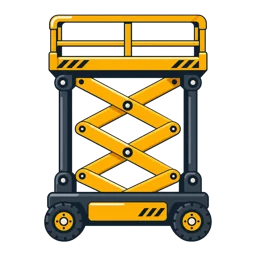
Map the route from the unit to the furthest fixture or panel. Indoor-to-outdoor transitions at dock doors introduce pinch points and trip hazards if cables cross thresholds, ramps, or scissor-lift lanes. In tall-rack warehouses, overhead runs may conflict with electric scissor lifts used for inventory systems; coordinate tower mast height and fixture aiming with lift paths.
Light coverage versus task elevation
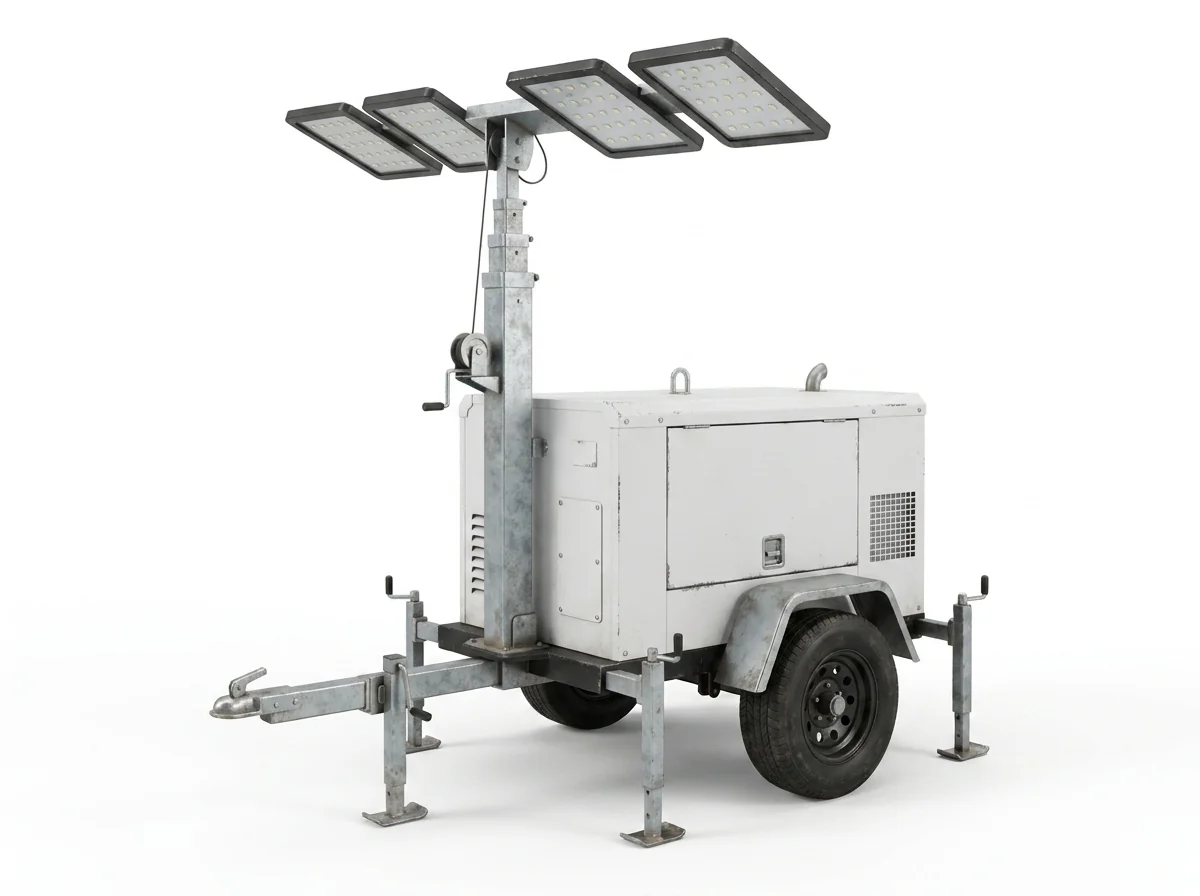
- Can towers sit below the task without casting hard shadows on work at height?
- Are boom or scissor platforms entering the lit zone? If elevated work is scheduled, confirm how tower placement interacts with aerial lifts, boom lifts, or vertical mast lifts.
Fueling, noise, and ventilation constraints
Indoor logistics bays often restrict exhaust and sound. Outdoor yard placements near residential edges may have quiet hours. These limits influence generator enclosure needs and distance from work crews.
Common Fresno use patterns
- Cross-dock night shifts needing corridor-level uniformity with minimal glare on forklift lanes; pair compact towers at opposite corners rather than a single high-intensity source.
- Seasonal packing sheds where power spikes at start-up; leave margin for conveyors and compressors to avoid nuisance trips during peak heat.
For broader equipment planning across lifts and site gear, see the products overview.