Start with the access path
- Measure door and aisle widths from staging to the work zone.
- Note floor ratings, ramp grades, and thresholds along the way.
- Confirm the working height required for lights, sensors, and utilities.
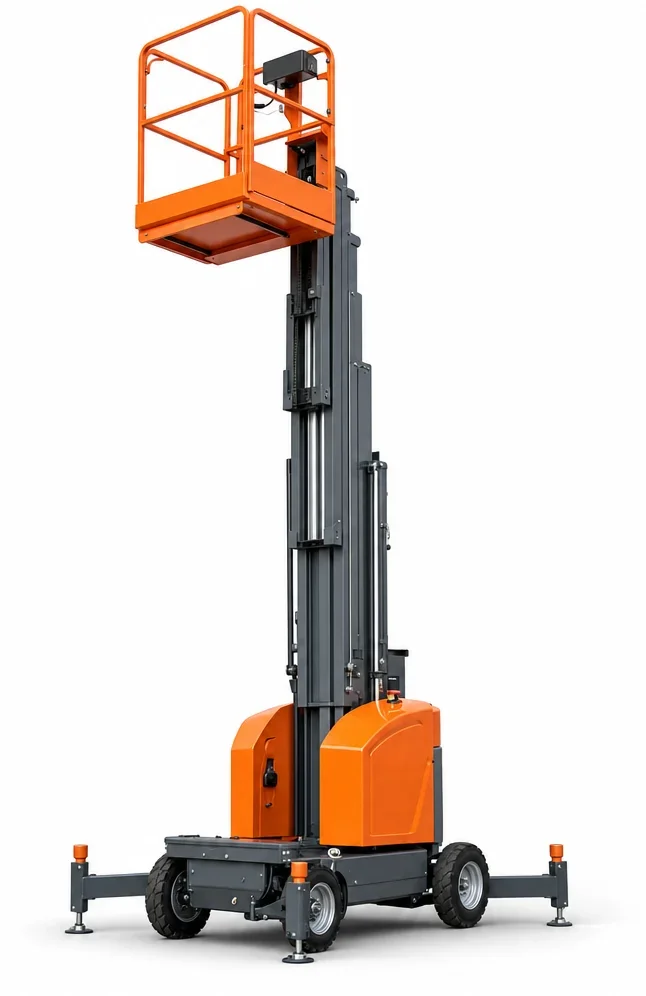
A vertical mast’s small footprint and light weight reduce floor loading and help pass through narrow access points compared with many scissor lifts.
Fresno-specific factors
- Interior logistics hubs favor low-noise, low-emission equipment; vertical masts align with those expectations.
- Long interior runs can include dock plates and transitions; small wheels handle smooth slabs best and may not suit rough aprons.
- During summer heat, keeping elevation work indoors can influence shift timing; exterior moves in Tule fog may be paused until visibility improves.
Measurements that narrow the choice
- Platform height and working height for target fixtures.
- Stowed dimensions to clear doorways, racks, and mezzanine corridors.
- Weight relative to slab capacity, mezzanine ratings, and elevator limits if applicable.
- Turning radius for end-of-aisle pivots near racking and safety rails.
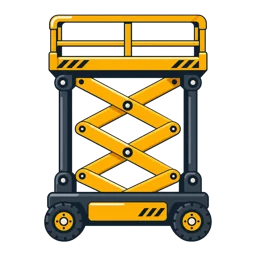
If the task needs more deck space or side-by-side work at height, compare /electric-scissor-lift-rental/. For outdoor pads or uneven ground, review /rough-terrain-scissor-lift-rental/. Up-and-over around conveyors or canopies requires a /articulating-boom-lift-rental/.
Fresno use patterns
- Picking and replacing lighting over rack aisles.
- Sensor, camera, and signage service in service corridors.
- Light maintenance above packing and sort lines where space is tight.
Actual site conditions, the selected unit’s instructions, and facility procedures govern where and how elevation can occur.
Related categories
- Wider deck indoors: /electric-scissor-lift-rental/
- Exterior uneven surfaces: /rough-terrain-scissor-lift-rental/
- Up-and-over access: /articulating-boom-lift-rental/