Start with staging and line of sight
- Can the machine face the work with few obstacles between tires and target?
- Is there enough setback to reach the task without folding over structures?
- Are you working along a clear façade, tank, or utility run?
If the approach is open, a straight boom often reaches farther, faster, and with less repositioning than an articulating unit.
Local conditions that affect selection
- Flat Central Valley terrain usually simplifies setup, but seasonal soil softness in unpaved areas may need ground stabilization plans.
- Summer heat can affect shift timing and fluid care; consult site procedures for exposure limits.
- Tule fog reduces visibility for early-morning exterior work; many crews delay travel and elevation until conditions improve.
Measurements that narrow the boom
- Required horizontal reach to the work face from a safe staging line.
- Platform height for the top edge of cladding, signage, or lighting.
- Stowed width and turning radius for access roads, gates, and laydown corridors.
- Ground bearing capacity along the travel path, especially on compacted base around new builds.
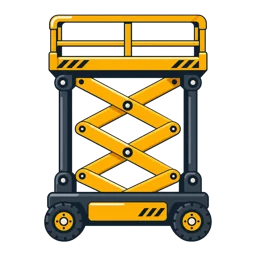
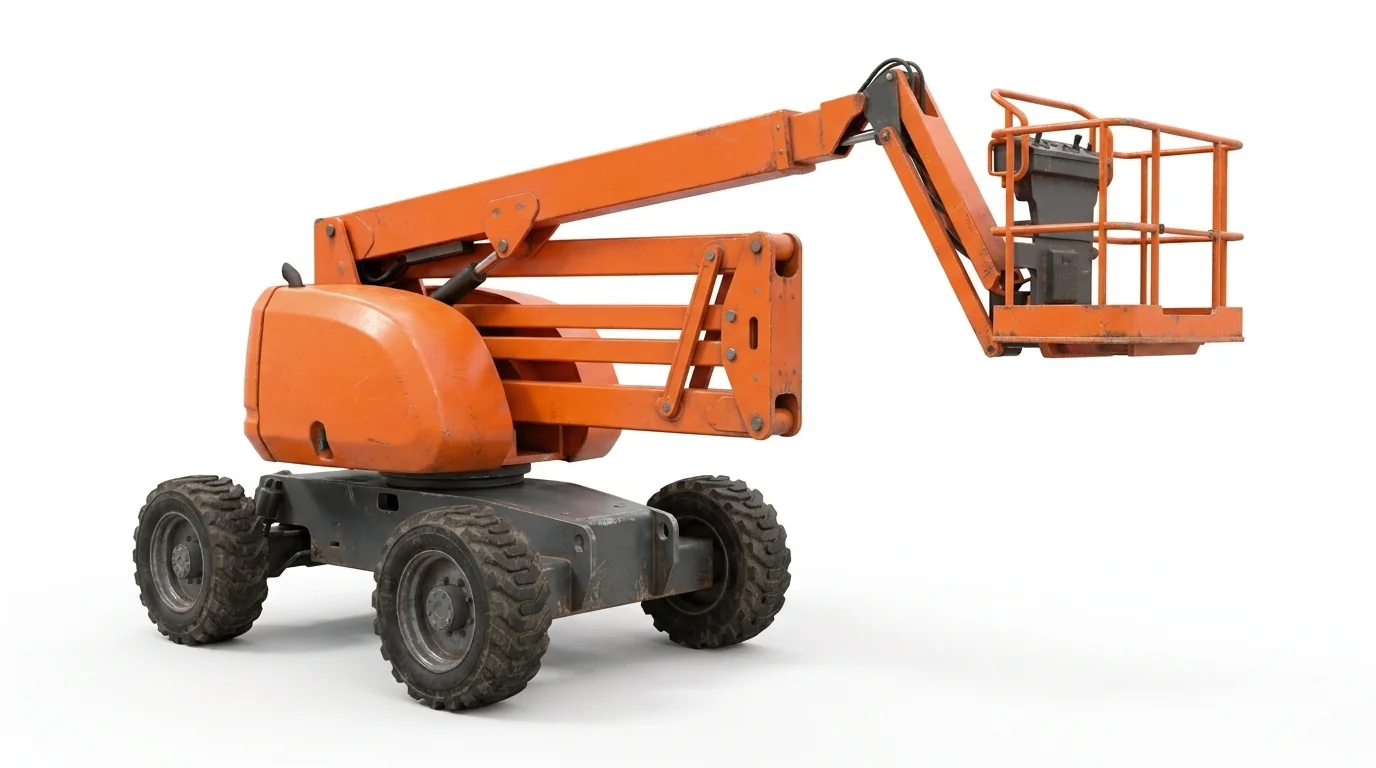
Where overhead obstacles block a straight shot—over dock canopies, conveyors, or pipe racks—review /articulating-boom-lift-rental/. For interior pick points with limited ventilation needs, an /electric-scissor-lift-rental/ can be more practical if no offset is required.
Fresno use cases
- Exterior steel punch lists on large industrial shells.
- Long-span lighting or camera placements across parking aprons.
- Signage and façade maintenance where the building setback allows clear staging.
Actual site conditions, the selected unit’s instructions, and jobsite procedures govern all elevation and travel decisions.
Related categories
- All boom types overview: /boom-lift-rental/
- Need up-and-over around obstacles: /articulating-boom-lift-rental/
- Rougher ground with multiple access points: /rough-terrain-scissor-lift-rental/